Granola vs Muesli: what's the difference?
These two cereal preparations are often confused. Yet they have very distinct characteristics.
The history of these two cereals
Muesli: the Swiss invention
Muesli was invented by Swiss physician Maximilian Bircher-Benner around 1900. He created it as healthy food for his patients at the Zurich sanatorium. The original muesli ("Birchermüesli") was a mix of raw oat flakes, grated apple, nuts and milk.
Granola: the American evolution
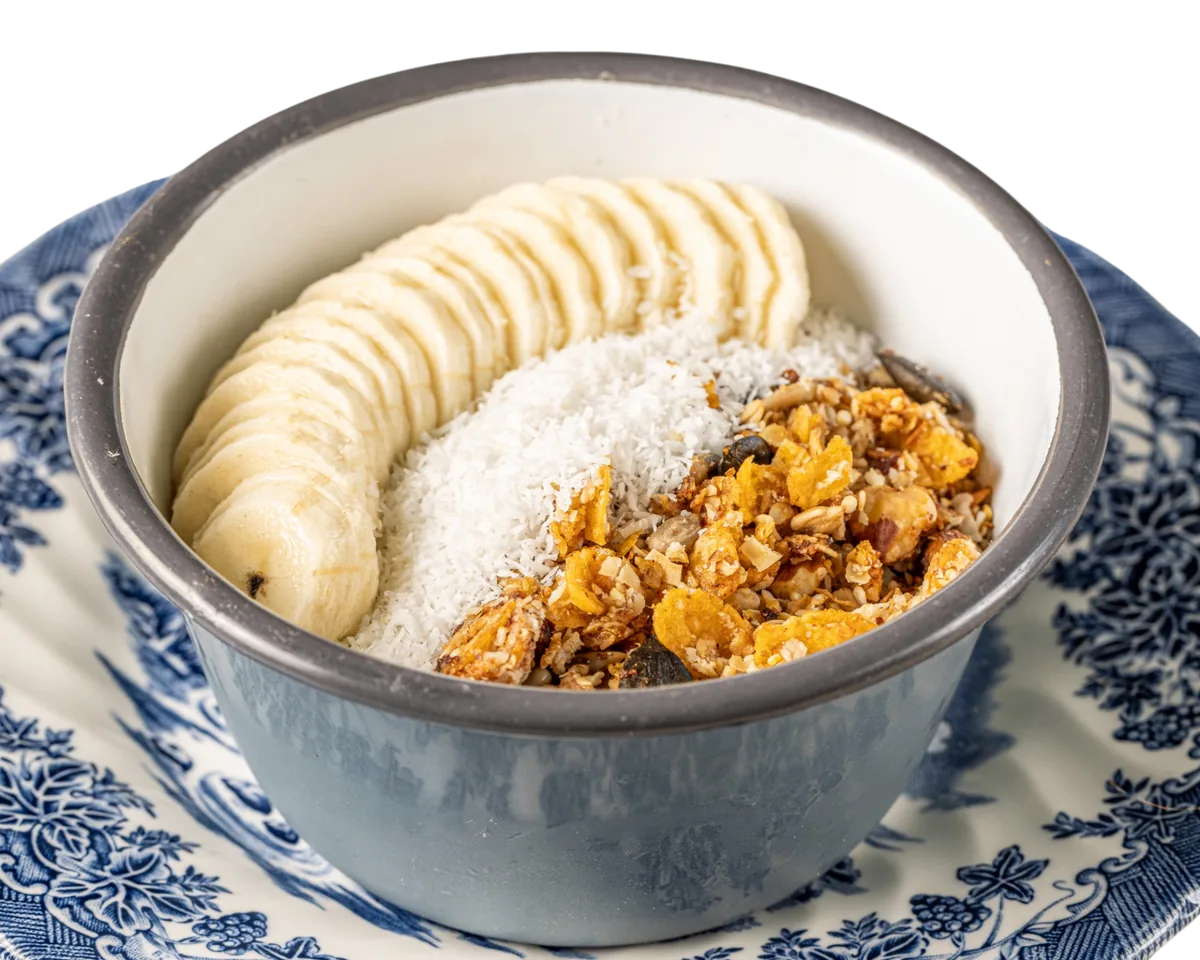
Granola was born in the United States in the 1960s, inspired by muesli but adapted to American tastes. The major difference: granola is baked with honey or syrup, giving it its crunchy, sweet character.
The key differences
| Criteria | Muesli | Granola |
|---|---|---|
| Cooking | Raw, uncooked | Oven-baked |
| Texture | Soft, flaky | Crunchy, clustered |
| Added sugar | Little or none | Yes (honey, syrup) |
| Calories (100g) | ~350 kcal | ~450 kcal |
| Fat content | Low | Moderate (oil for baking) |
Which to choose based on your goals?
For weight loss
Muesli is generally the better choice as it contains less added sugar and fat. Choose a no-added-sugar version and eat it with plain yogurt or plant milk.
For sports and energy
Granola is ideal before exercise thanks to its higher energy content. The natural sugars in honey provide quickly available energy.
For gourmet pleasure
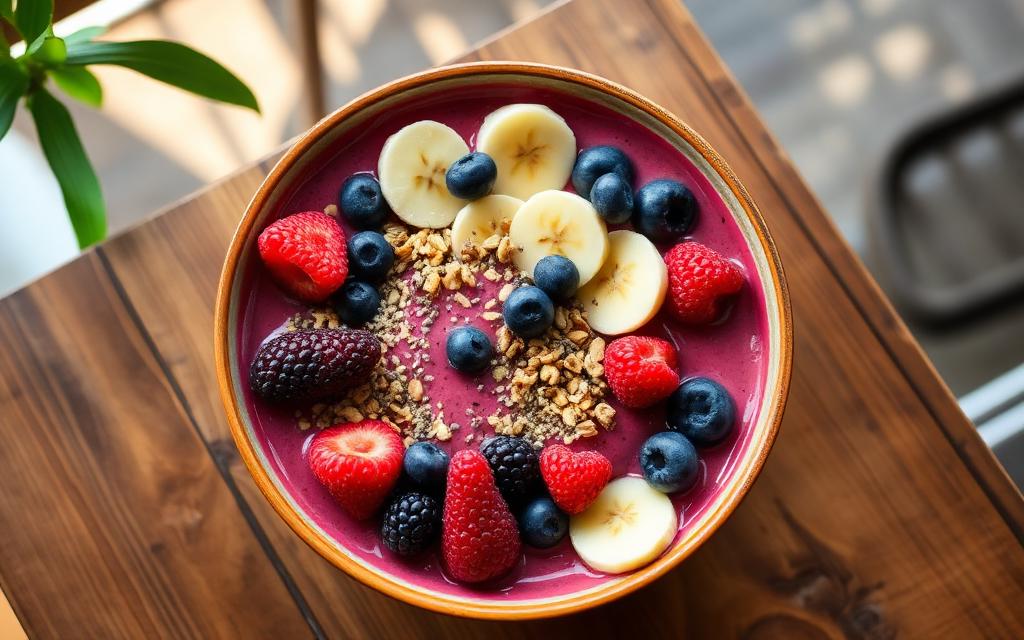
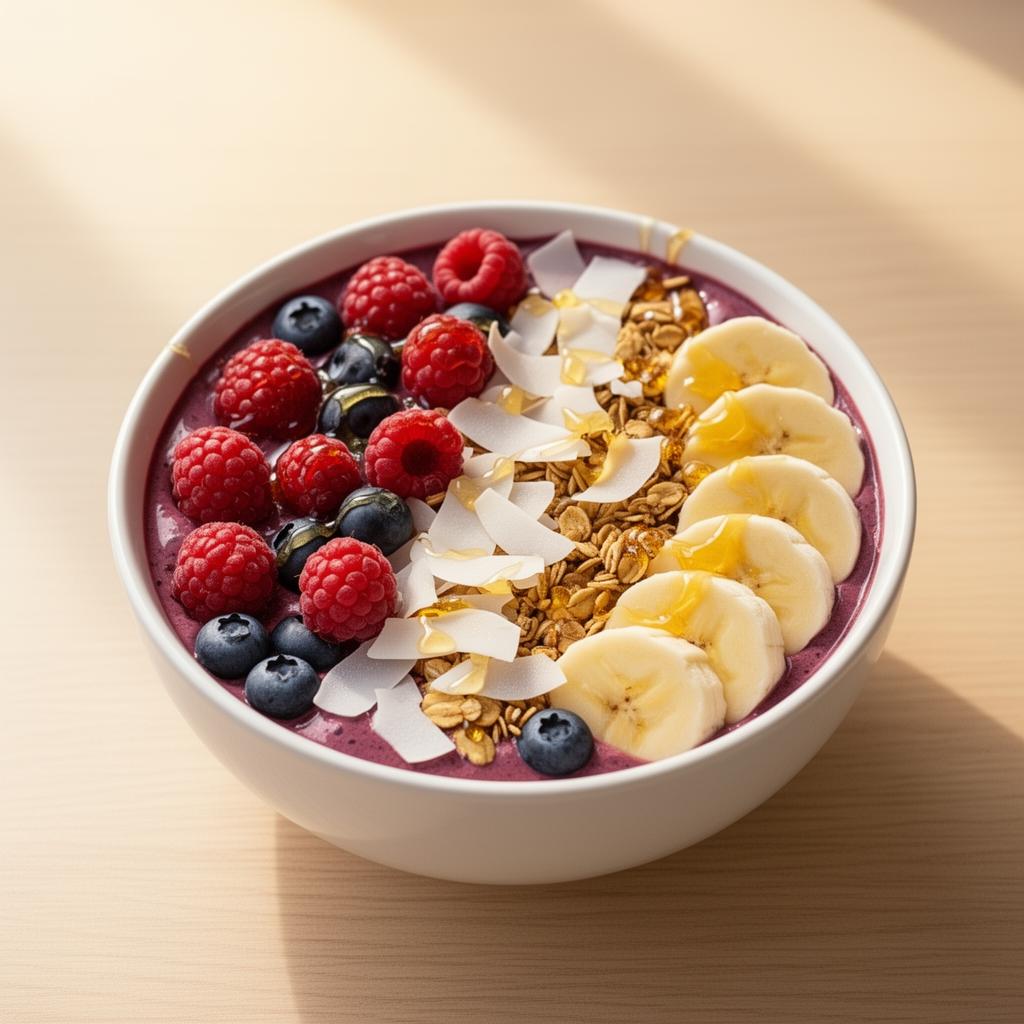
Granola wins with its crunchy texture and slightly caramelized taste. It's the favorite for açaí bowls and smoothie bowls.
Our homemade granola at Granola Geneva
At our place, we've found the perfect balance: a homemade granola that's crunchy but not too sweet. We use local honey, coconut oil and organic oat flakes.
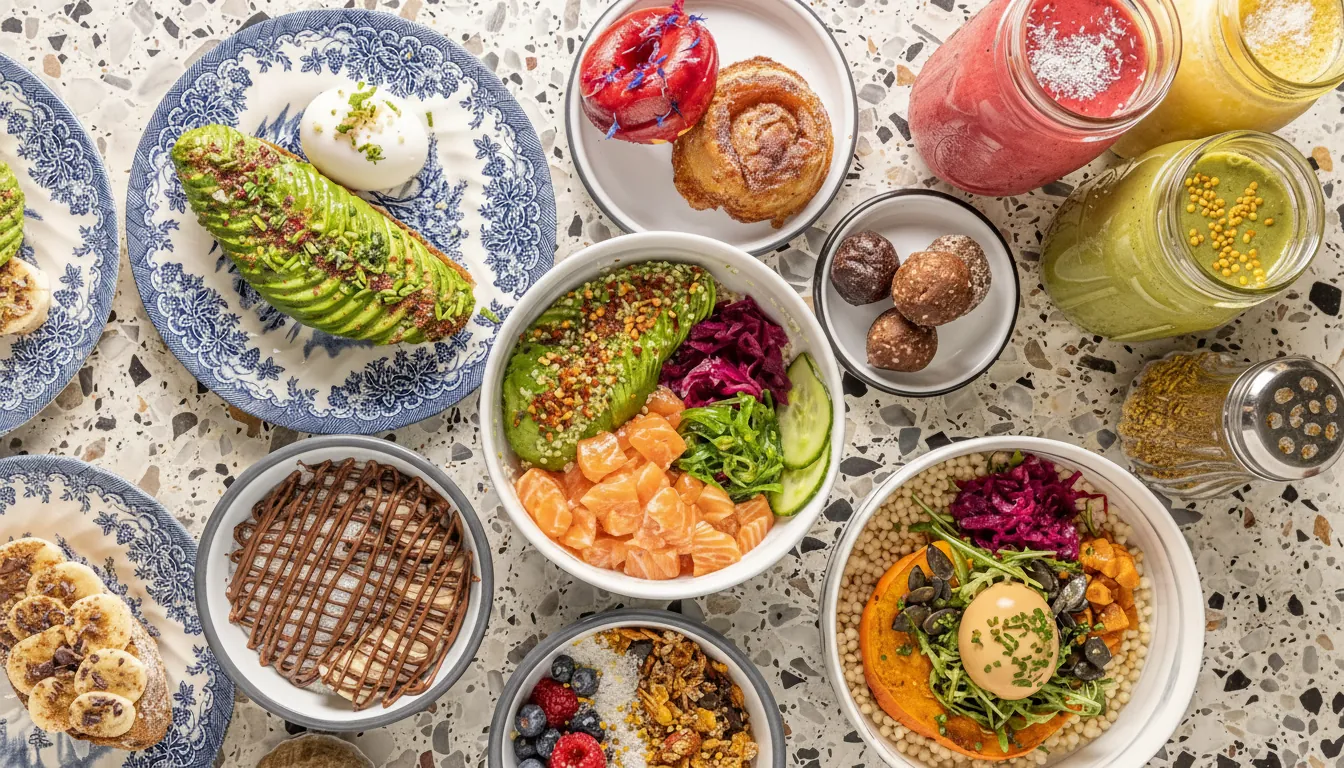
Our granola is available as a topping on all our bowls, or to take away in bags for your home breakfasts.
Conclusion
Muesli and granola each have their advantages. The important thing is to choose quality versions with simple, recognizable ingredients. And why not both? Muesli on weekdays for lightness, and granola on weekends for a treat!